Baiying Overseas (Beijing) Legal Consulting Co., LTD
 Phone 400-876-1239
Phone 400-876-1239
Phone 400-876-1239 As a close neighbor separated only by a narrow strip of water from China, Japan has become a popular choice for Chinese immigrants in recent years, thanks to its cultural ties, high-quality public services and stable social environment.
Even if the threshold for the business management visa is raised in 2025, its unique advantages will still be favored by many families, providing development space for immigrants with different needs.
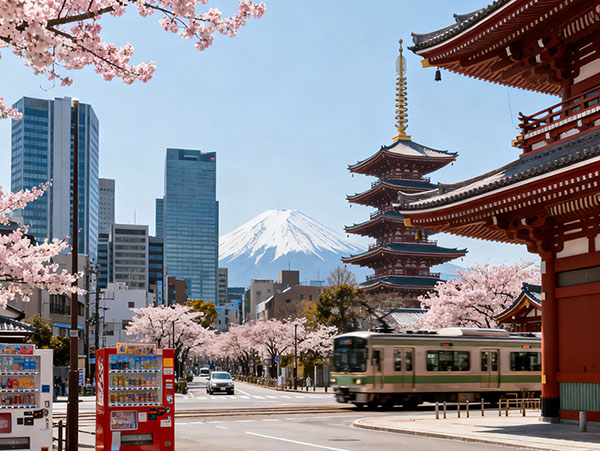
Japan retains a large number of East Asian cultural genes. Its festival customs and dietary preferences are similar to those of China. The cultural connotations of traditional festivals such as the Spring Festival and the Dragon Boat Festival are also shared. Immigrants do not need to face a severe cultural shock.
At the same time, Japanese has a high proportion of Chinese characters, making it much less difficult for Chinese people to learn than European and American languages, and facilitating smoother daily communication and integration into life.
This "familiar yet fresh" cultural atmosphere enables the elderly to adapt without worries and allows children to grow up in a bilingual environment.
Japan implements nine years of free compulsory education. Public schools have balanced teaching staff and emphasize the cultivation of quality and the shaping of rule awareness. There are diverse pathways for further education in high school. One can choose the traditional academic route or master professional skills through vocational education. In terms of higher education, prestigious universities such as the University of Tokyo and Waseda University enjoy a high reputation worldwide. When children of immigrants apply as local students, they have more advantages in terms of admission chances and cost, and their academic qualifications are recognized globally.
Foreigners residing in Japan who join the National Health Insurance in accordance with the law can enjoy reimbursement of 70% to 90% of their medical expenses, covering everything from routine diagnosis and treatment to the treatment of major diseases such as cancer. Japan leads in medical technology, especially in the fields of precise physical examinations and elderly care. Its well-developed elderly care system ensures that families have no worries. In addition, social welfare is widely covered, and policies such as child-rearing subsidies and housing discounts have effectively alleviated the burden on immigrant families.
The time difference between Japan and China is only 1 to 2 hours, and the flight from Tokyo to Shanghai takes less than 2 hours, making it convenient to balance domestic career and overseas life. As the world's third-largest economy, it has a well-developed technology, manufacturing and service industries, a standardized entrepreneurial environment and strict intellectual property protection. There is broad space for both technical talents to find employment and investors to expand their businesses. After obtaining permanent residence status or naturalization in Japan, one's passport can be visa-free to over 190 countries and regions, facilitating global travel and business exchanges.
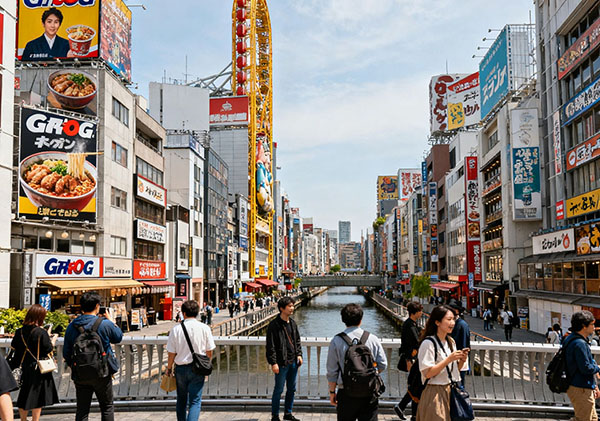
Although the immigration threshold has been adjusted, Japan's advantages in cultural proximity, the quality of public services and geographical location remain unique. For families seeking a stable life, valuing their children's education or expanding their business in Asia, this is undoubtedly the preferred place to balance life and development.

Consultation phone
400-876-1239

Scan WeChat consultation
 Ad:HP Building, Chaoyang District, Beijing
 Email:3225542860@qq.com
 Telephone
400-876-1239